How to Choose a Water Filter for Your Home
Picking the right water filter can feel overwhelming with so many options out there. A
reliable water filter company can point you in the right direction, but knowing what to look for before you shop makes a big difference. This post covers the main factors to consider: water quality, filtration methods, budget, maintenance, and installation. Each one plays a role in finding a filter that actually works for your household. Once you understand these basics, you'll have a much clearer picture of what questions to ask and what features matter most.
Assess Your Water Quality
Before buying a water filter, you need to know what's actually in your water. If you live in areas where
water testing Fresno CA residents rely on is commonly recommended, testing can identify contaminants such as bacteria, heavy metals, pesticides, and other pollutants in your tap water. Common testing methods include pH testing, dissolved solids testing, and assessments for specific contaminants. You can use at-home testing kits for a quick check, or hire a professional service for a more detailed breakdown. Knowing what's in your water helps you pick a filter system that targets the right problems. Regular testing also ensures your filter continues to do its job over time.
Understand Filtration Methods
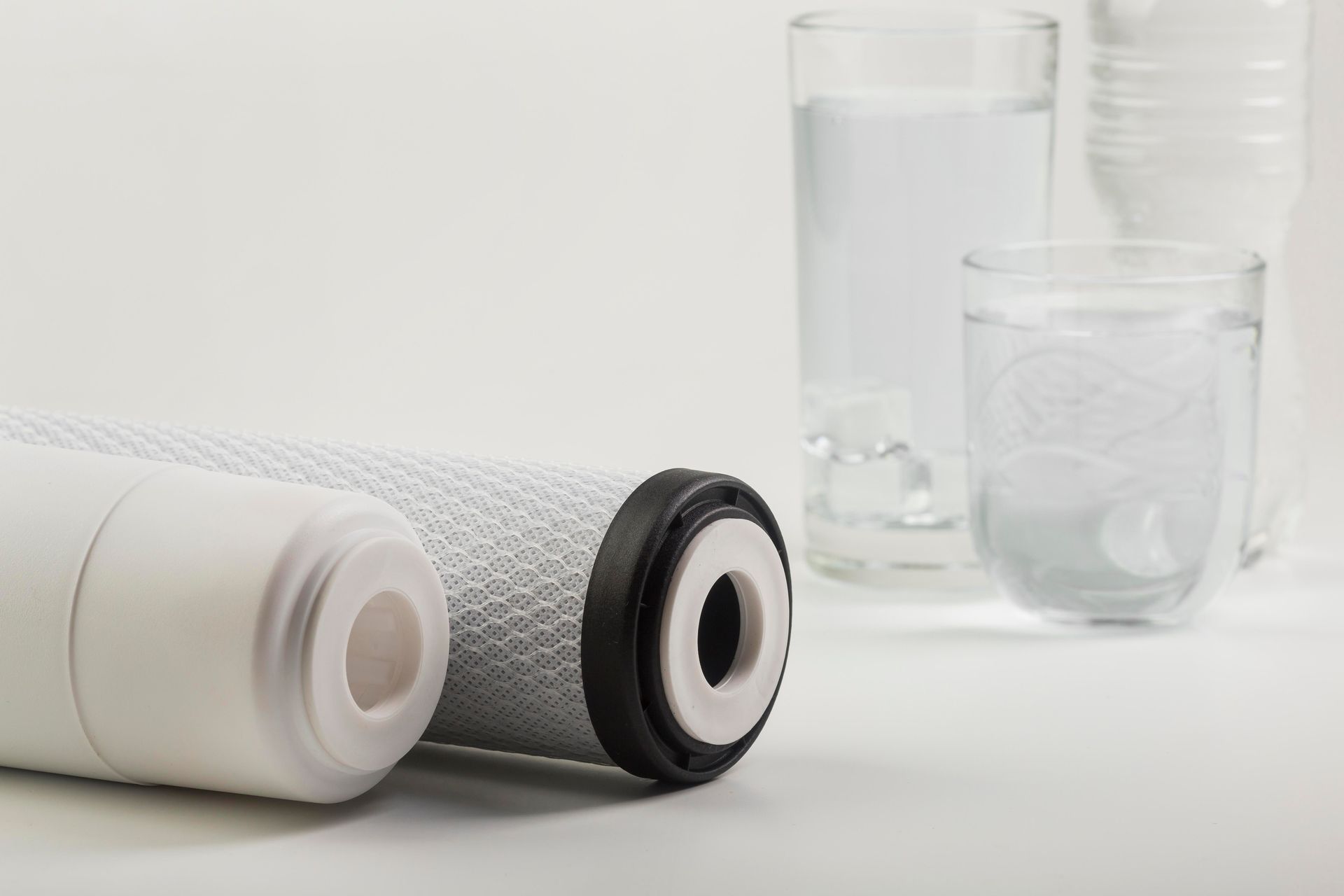
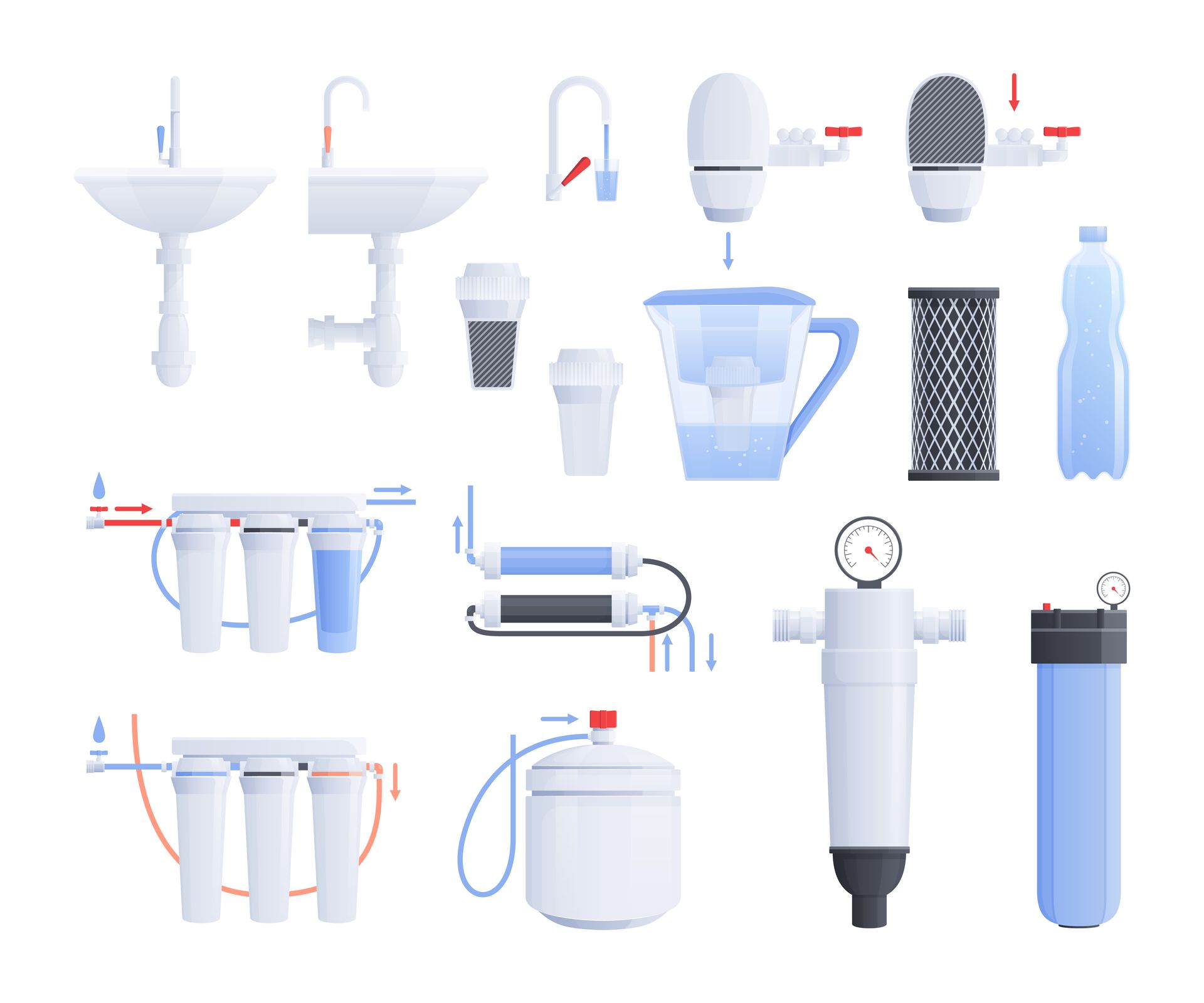
Choosing the right water filter means knowing how different filtration methods work. The method you pick determines which contaminants get removed and how clean your water ends up. Activated carbon filtration uses porous carbon to adsorb contaminants such as chlorine, volatile organic compounds, and sediment. Reverse osmosis pushes water through a semipermeable membrane to remove larger particles, ions, and dissolved solids. Distillation boils water and condenses the steam, leaving contaminants behind. UV purification uses ultraviolet light to kill bacteria and viruses. Ion exchange swaps harmful ions for safer ones. Understanding these options helps you match a filter to your specific water issues.
Consider Your Budget
When budgeting for a water filter, consider both the upfront cost and ongoing costs. The initial price covers the filter unit, installation, and any extra parts needed for setup. Make sure to pick a filter that fits your budget now and won't break the bank later. Ongoing costs like filter replacements, electricity, and professional servicing add up to. Some filters cost more upfront but require less maintenance, while cheaper units might need frequent, pricey upkeep. Thinking through these costs helps you make a smarter choice that works for your wallet and your filtration needs.
Evaluate Maintenance Needs
Knowing how much maintenance a filter needs helps you get the most out of it and keep it running longer. Keep these factors in mind:
- Filter Replacement Frequency: Find out how often you should replace the filter based on the manufacturer's guidelines and your local water quality.
- Cleaning Procedures: Learn the recommended cleaning steps to prevent clogs and keep filtration running smoothly.
- Monitoring System: Check whether the filter has alerts that indicate when maintenance is due. This makes upkeep easier and maintains consistent water quality.
Staying on top of maintenance extends your filter's lifespan and keeps your drinking water clean.
Determine Installation Requirements
Looking at installation requirements ahead of time saves you headaches later. Before buying, check how much space you have, where your water sources are, and whether your plumbing can handle the filter. Some systems require professional installation due to their complexity or the specialized tools required. Figure out if the filter goes under the sink, connects to your main water line, or just attaches to a faucet. Check the flow rate and pressure requirements, too, so the filter performs at its best. Getting these details right helps you pick a filter that fits smoothly into your home's water system.
Seek Certified Products
Going with certified products gives you confidence that your water filter actually does what it claims to do. Certifications indicate that a filter meets industry standards and effectively cleans your water. Look for these certifications:
- NSF Certification: Filters certified by the National Sanitation Foundation meet specific requirements for reducing contaminants.
- ANSI/NSF Standards: These American National Standards Institute and NSF standards confirm that the filter meets water quality and safety benchmarks.
- WQA Certification: Water Quality Association certification means the filter passed rigorous testing for performance and reliability.
Related Topics: