When to Change a Water Filter: Clear Signs You Shouldn't Ignore
Water filters don't last forever, and knowing when to replace them can help you avoid drinking contaminated water. Many homeowners miss the warning signs until their water quality has already been compromised.
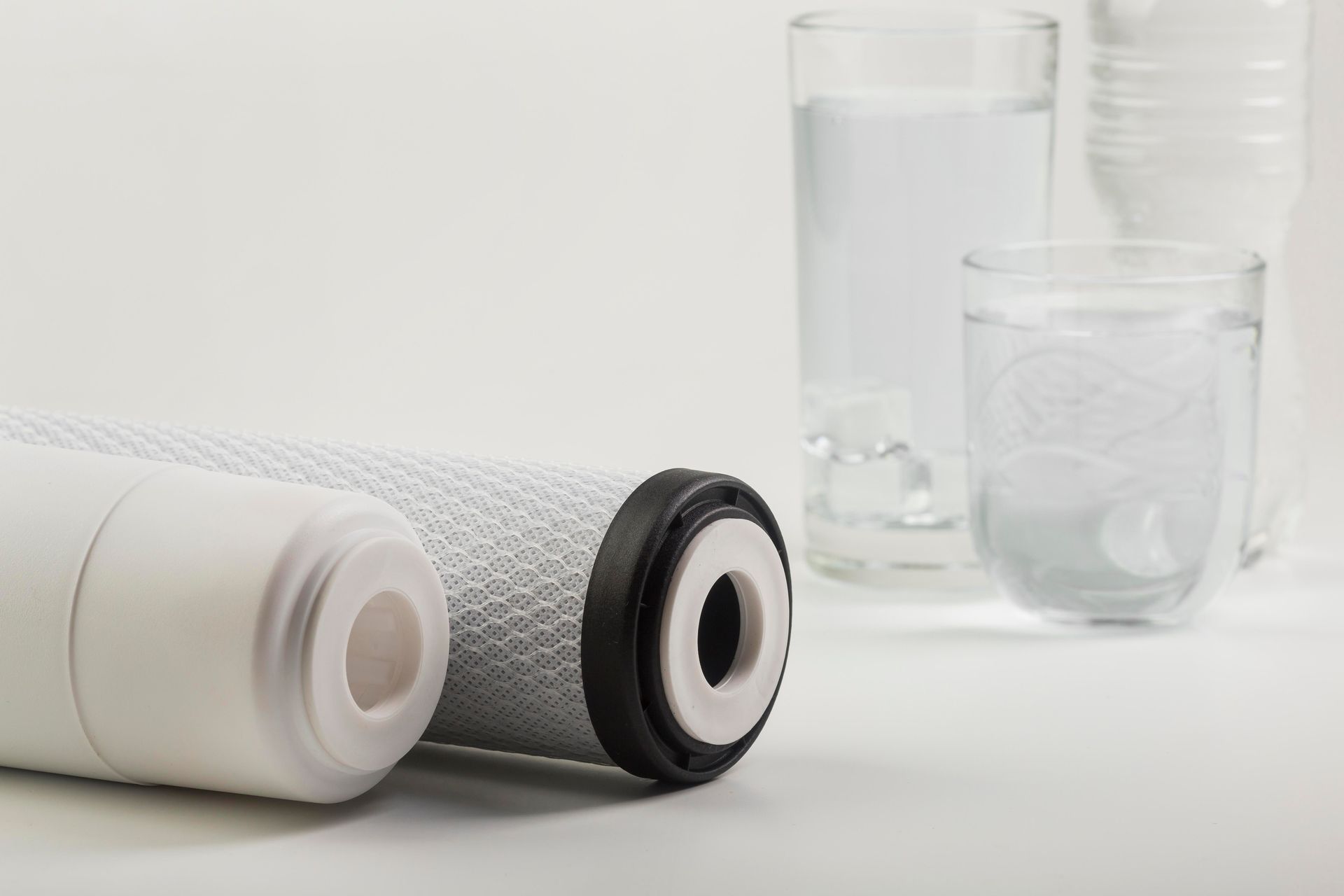
Trusted water filter servicesrecommend paying attention to specific indicators that tell you it's time for a replacement. This post breaks down the most common signs that your filter needs to be changed, from slow water flow to strange tastes and visible particles. Staying on top of filter maintenance keeps your drinking water clean and your filtration system running smoothly.
Decreased Water Flow
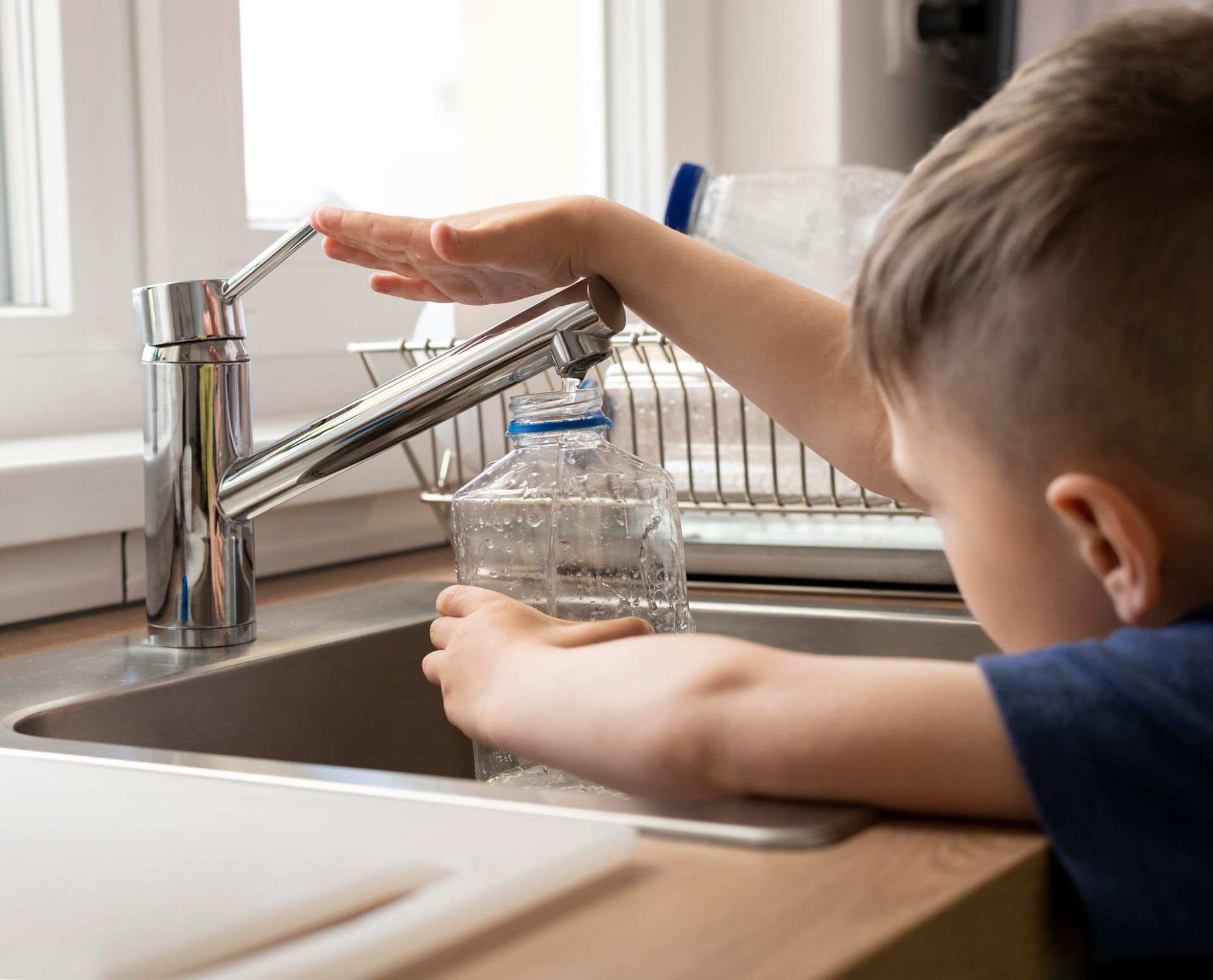
When water from your faucet comes out slower than usual, your filter is probably due for a change. This happens because the filter gets clogged with debris and contaminants over time, blocking water from flowing freely. The buildup means the filter can no longer remove impurities the way it should. Pay attention to how fast water flows from your tap. If you notice a big drop in pressure, that's your cue. Replacing the filter will restore normal flow and keep your water properly filtered.
Strange Taste or Smell
An off taste or weird odor in your water means something's wrong with your filtration. When your water tastes or smells different than usual, don't wait to deal with it. Here's what those changes might mean:
- Bacterial Growth: A bad taste or smell can indicate bacteria in your water supply, indicating your filter isn't doing its job anymore.
- Chemical Contamination: A strange taste could mean chemicals have entered your water, and you need a fresh filter to remove them.
Filter Exhaustion: Filters lose their ability to capture impurities over time, altering how your water tastes and smells.
Cloudy or Discolored Water
Just as strange tastes and smells raise red flags about your drinking water quality, cloudy or discolored water does the same. Cloudiness usually comes from tiny air bubbles or particles floating around, while discoloration can mean dissolved organic matter, minerals, or pipe corrosion. Sometimes cloudy water signals bacteria or other microbial contamination. You need to address this right away since it affects the taste, smell, and safety of what you're drinking. If the cloudiness or color change persists, have your water tested to identify the cause and fix the problem.
Visible Sediment in Water
Particles settling to the bottom of your glass indicate that something isn't dissolving properly in your water. This needs attention to make sure your water stays clean and safe to drink. Here's what you should know:
- Causes: Sediment can come from soil erosion, decaying organic material, or rust from aging pipes.
- Health Concerns: Drinking water with sediment can lead to stomach problems or other health issues.
- Filter Efficiency: Sediment clogs filters over time, reducing their effectiveness and potentially allowing harmful bacteria to grow.
Keeping an eye on sediment helps maintain water quality and extends the life of your filtration system.
Filter Expiration Date
Checking your filter's expiration date is important for keeping it working at full capacity and ensuring your water stays safe. Filters have a limited lifespan because their materials degrade and become less effective over time. Manufacturers set expiration dates based on how long the filter can actually remove contaminants. Using an expired filter can allow harmful substances to slip into your drinking water. The manufacturer runs tests to determine these dates, so the filter works properly until then. Ignoring expiration dates can lead to poor filtration and exposure to contaminants, so stick to the replacement schedule.
Increased Contaminant Levels
Watching your filter's performance helps you catch rising contaminant levels before they become a problem, and routine water testing can confirm whether harmful substances are present. Higher contaminants can seriously affect the quality of what you're drinking. Watch for these three warning signs:
- Unusual Taste or Odor: If your water starts tasting or smelling different, contaminant levels may have gone up.
- Cloudy or Discolored Water: Changes in how clear your water appears can indicate that more impurities are getting through.
- Health Effects: Stomach issues, skin irritation, or unexplained illness after drinking your water could indicate elevated levels of contaminants.
Keeping tabs on these signs tells you when it's time to change the filter, keeping your drinking water clean and safe.
Related Topics: