The Healthiest Water Purification Methods for Your Home
Water purification systems transform contaminated household water into safe drinking water through various scientific methods. Home water treatment removes harmful bacteria, viruses, and chemical pollutants from your tap water supply. Access to clean water becomes possible when you understand which purification method works best for your specific contamination concerns.
The answer everyone wants? Reverse osmosis systems offer the most comprehensive contaminant removal for home use, tackling everything from heavy metals to chemicals. But here's the thing... It's not always the perfect solution for every household situation, especially when choosing the right
water filter in Fresno, CA, where local water conditions vary significantly.
Why Boiling Water Still Matters (Even in 2025)
Boiling remains one of the most reliable ways to kill waterborne pathogens. Heat that water to a rolling boil for one minute, and you've eliminated bacteria, viruses, and parasites that could make you sick. At elevations above 6,500 feet, bump that up to three minutes.
The method works because high temperatures destroy the cellular structure of harmful microorganisms. It's simple, requires no special equipment, and works anywhere you have a heat source. But boiling won't remove chemical contaminants like chlorine, pesticides, or heavy metals that may be lurking in your water supply.
Filtration Systems: The Good, The Great, and The Game-Changers
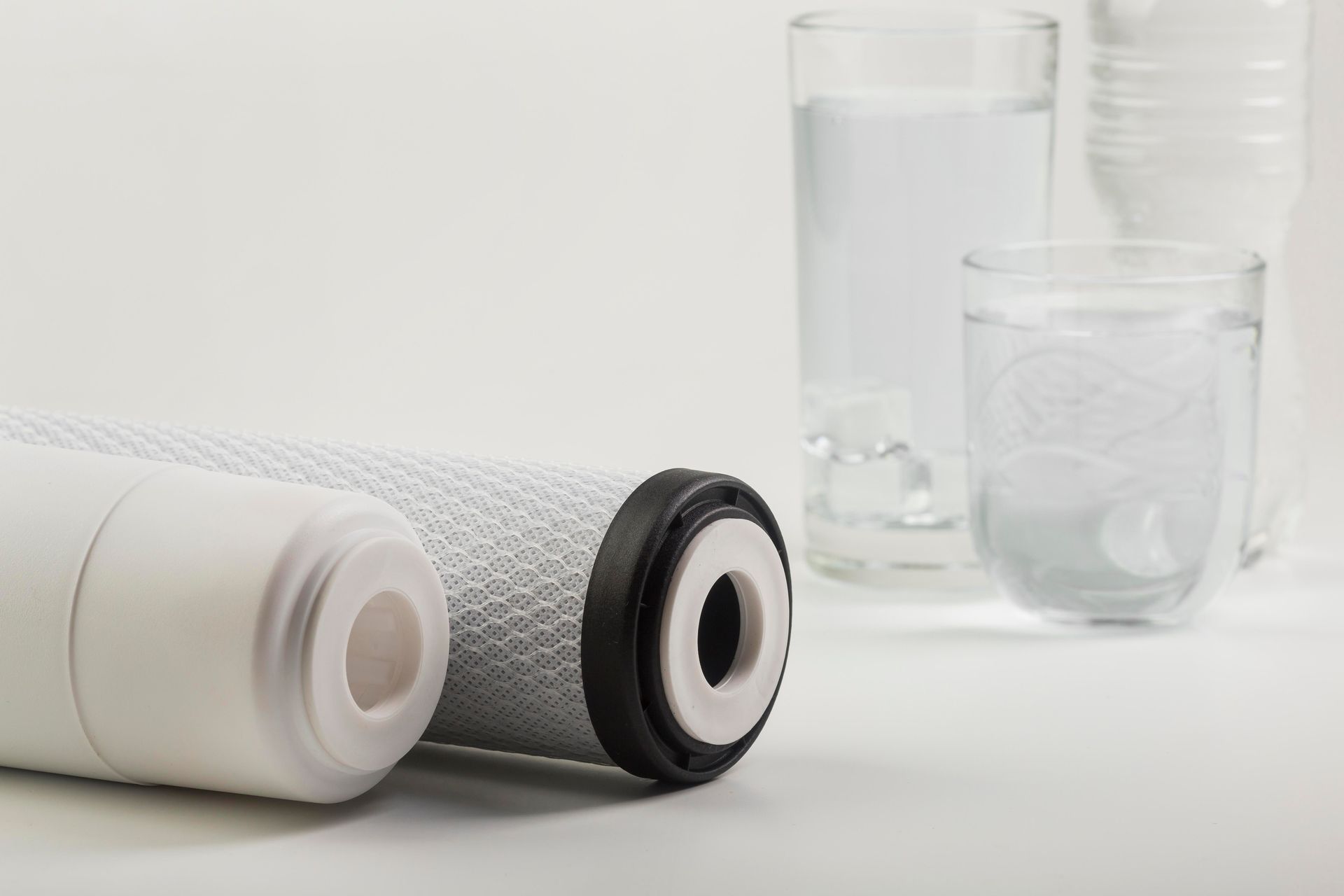
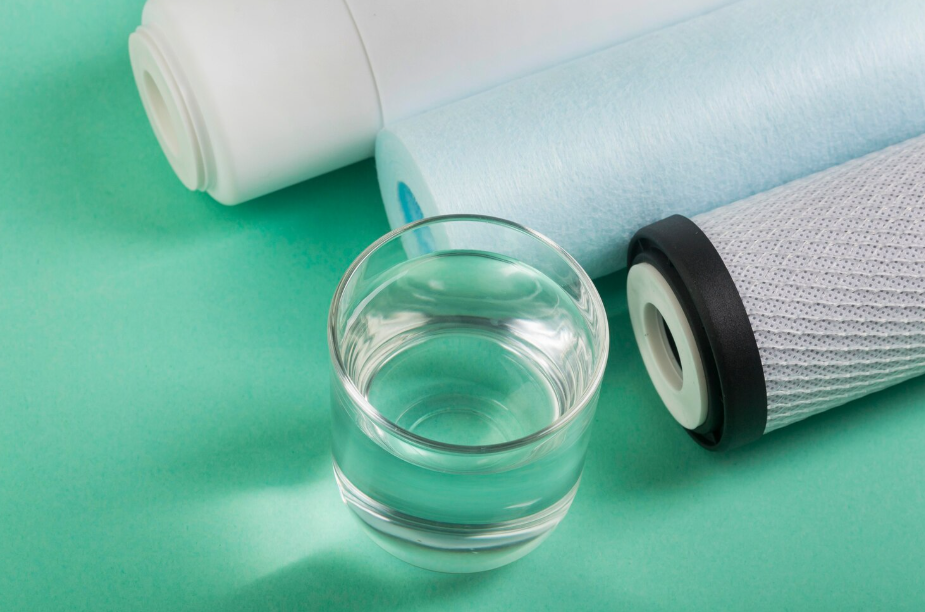
Activated Carbon Filters. These workhorses remove chlorine taste and odor, as well as some organic compounds. They're affordable and easy to maintain, but don't expect them to handle bacteria or viruses effectively.
Ceramic Filters: Physical filtration at its finest. Ceramic systems trap bacteria and larger parasites while allowing water molecules through tiny pores. They work well for basic biological contamination, but miss dissolved chemicals.
UV Light Systems Ultraviolet purification disrupts the DNA of microorganisms without adding chemicals to your water. It's fast, chemical-free, and effective against bacteria, viruses, and protozoa. The downside? No protection against chemical pollutants.
Chemical Treatment Options (When Other Methods Aren't Available)
Chlorine tablets, iodine solutions, and chlorine dioxide drops serve as backup purification methods. They're portable, shelf-stable, and effective against biological contaminants. However, these treatments can leave unpleasant tastes and may not address all types of contamination.
Chlorine dioxide stands out because it doesn't significantly alter water taste while providing broad-spectrum antimicrobial action. Follow dosing instructions carefully to avoid health risks.
Reverse Osmosis: The Heavy Hitter
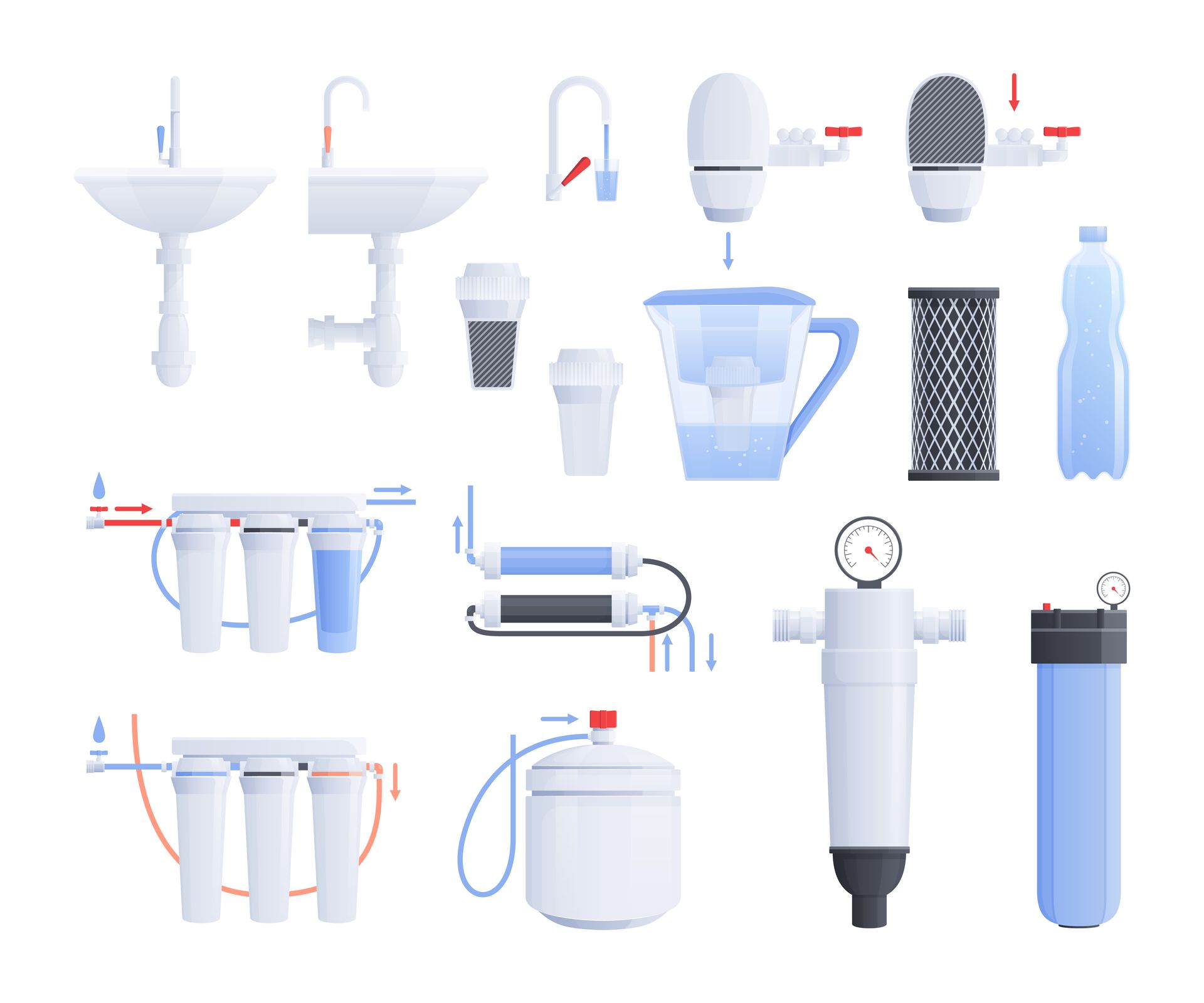
Here's where things get interesting. RO systems push water through semipermeable membranes that block contaminants while allowing pure water molecules through. This process removes bacteria, viruses, heavy metals, chemicals, and dissolved solids.
The technology excels at comprehensive water treatment, often incorporating multiple filtration stages, including carbon pre-filters. Many systems include post-filtration mineral addition to replace beneficial minerals stripped during the process.
But RO systems do have drawbacks. They waste 2-4 gallons of water for every gallon produced, and the process removes beneficial minerals along with contaminants. Higher-end systems address these concerns with efficiency improvements and remineralization stages.
Distillation: Pure but Impractical
Water distillation creates steam that condenses back into liquid, leaving contaminants behind. This method produces extremely pure water and removes virtually everything, including volatile organic compounds, salts, and heavy metals.
The energy requirements make distillation less practical for daily use. Plus, like RO, it strips beneficial minerals from water.
So What's Actually the Healthiest Choice?
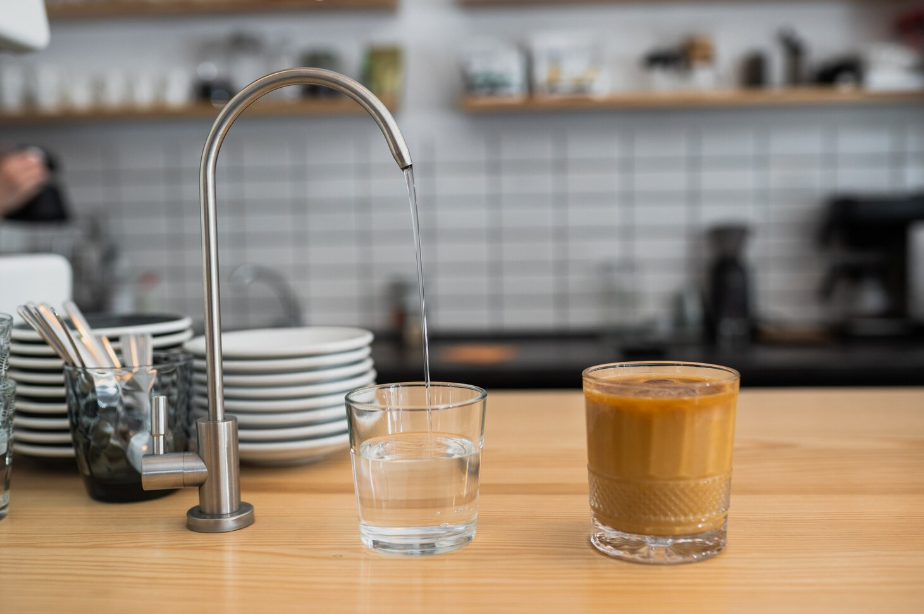
The healthiest water purification method depends on your specific contamination concerns, but reverse osmosis systems with carbon pre-filters offer the most comprehensive protection. They effectively handle heavy metals, chemicals, and biological contaminants.
For households primarily concerned with chlorine taste and basic contaminants, high-quality carbon filtration delivers excellent results at a lower cost and with less water waste.
If your water supply has known bacterial issues, combining boiling or UV treatment with carbon filtration creates a robust defense system.
The key is matching your purification method to your water quality challenges. Consider professional water testing in Fresno CA to identify specific contaminants, then choose the technology that addresses those concerns most effectively.
Remember, no single method handles every possible contaminant perfectly. The healthiest approach often involves understanding your local water quality and selecting the most appropriate technology for your situation.
Contact Us
If you’re looking to improve your home’s water quality with professional filtration systems and free water testing, Fresno Water Filtration (Generation H2O) is ready to help residents in Fresno, Clovis, and Madera, CA.
Phone: (559) 840‑0883 Call today for a free quote or water test.
Service Area: Serving homeowners throughout Fresno and surrounding Central California communities.
Business Hours:
- 9:00 AM – 5:00 PM (Monday – Friday)
Ready to upgrade your water quality?
Contact Fresno Water Filtration, call, or visit their site to schedule a free consultation or estimate.
Related Topics: