Is It Better to Filter Tap Water or Buy Bottled Water
The question about filtering tap water or buying bottled water depends on your situation. Your priorities matter too. For many households, filtering tends to cost less and creates less waste, which is a big deal if you think about the number of bottles people go through. Still, the choice isn’t always simple, and people weigh it a bit differently.
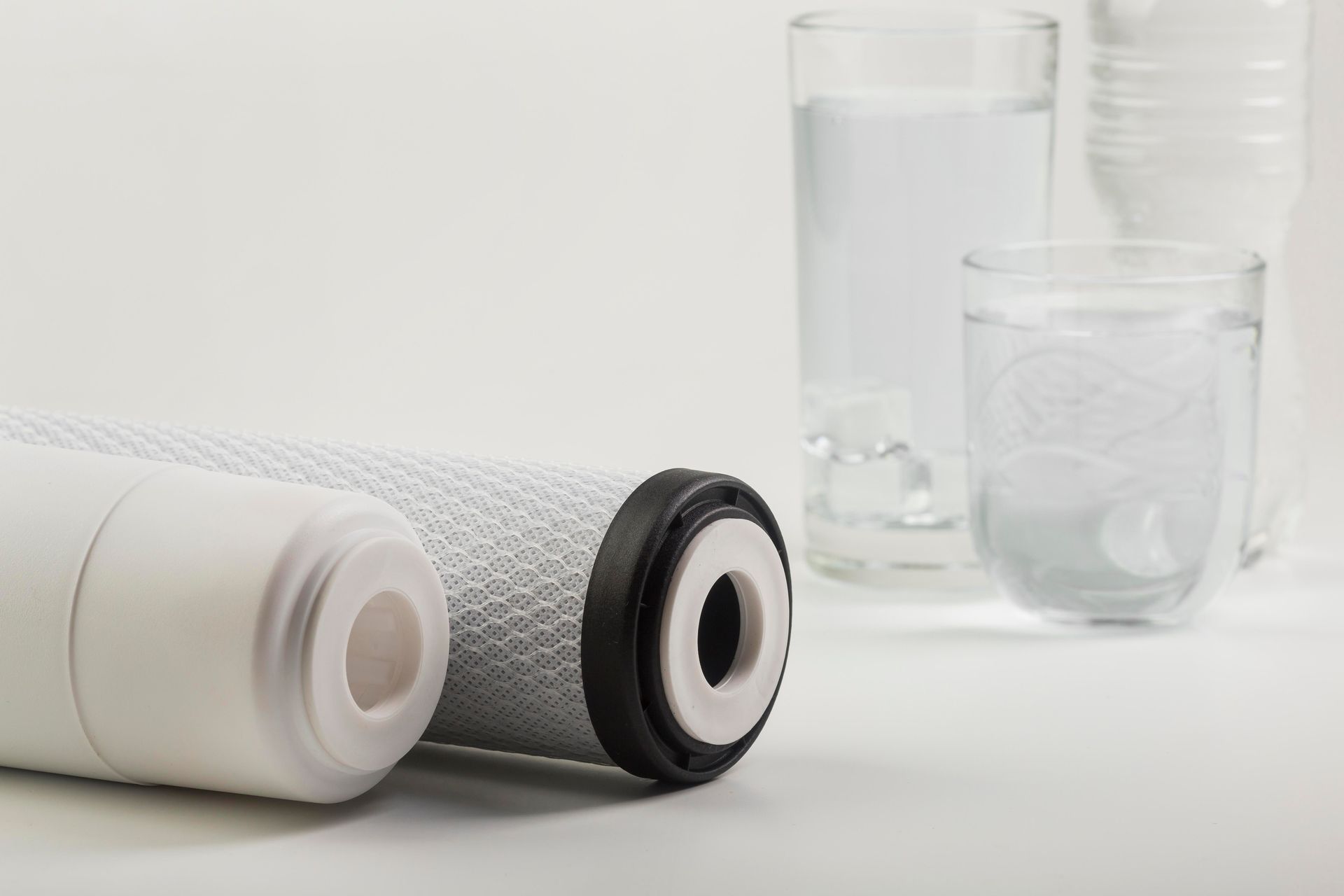
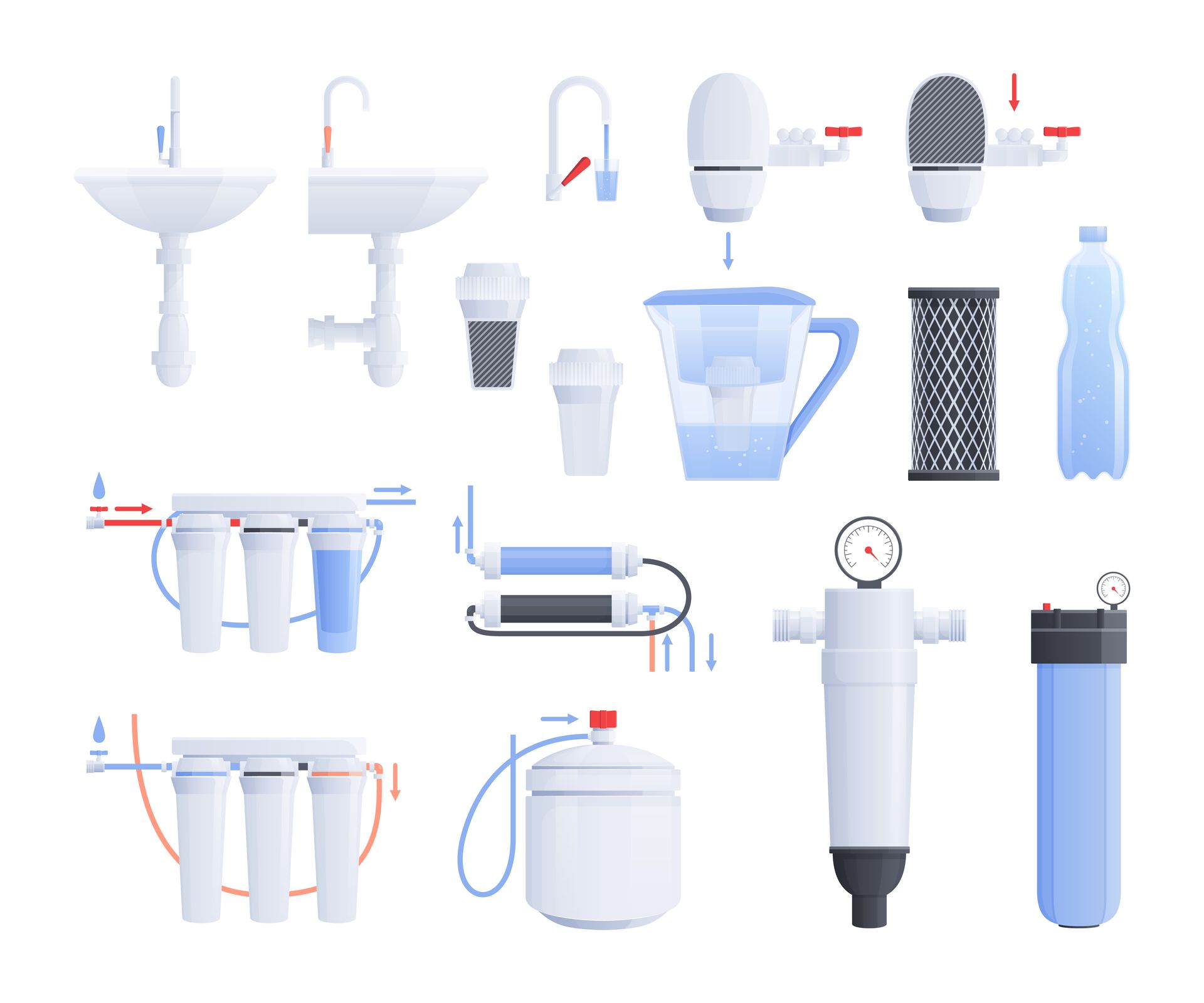
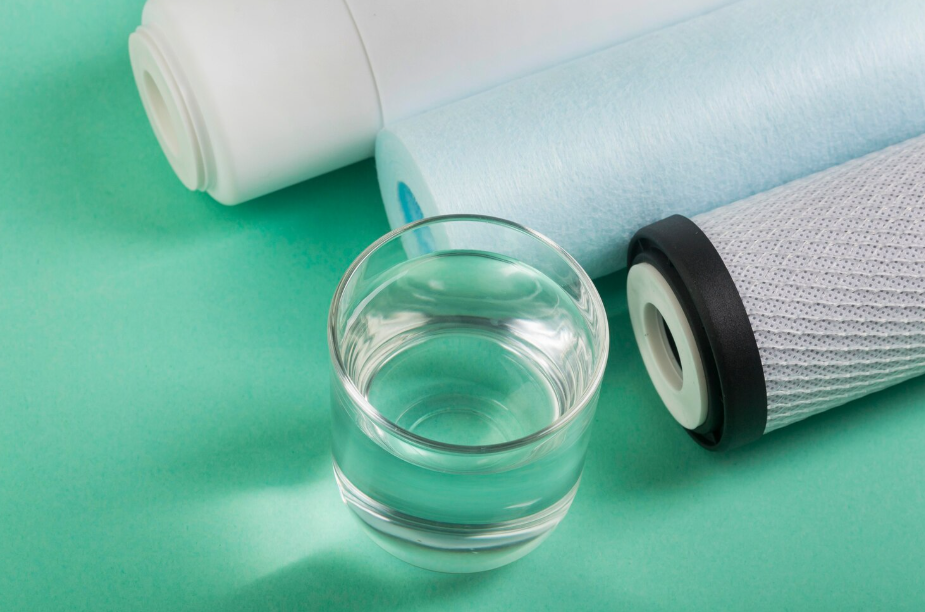
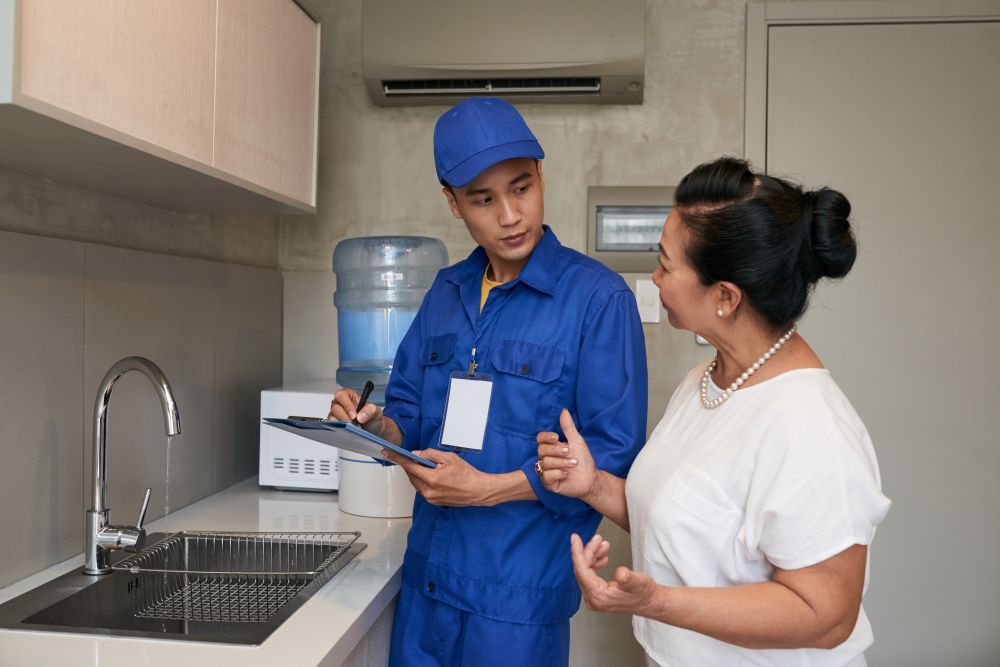
Filtered tap water is usually more practical for daily use. A home filtration system can reduce common contaminants while letting you keep using the same tap you already have. Some homeowners in the area even check with a
local water filtration service in Fresno, CA, to understand what type of filter might work for their specific water quality. It’s a small step, but it can make a noticeable difference.
Bottled water, on the other hand, offers convenience. You grab a bottle and go, which is why many people keep a pack at home or in the car. But over time, the cost adds up, and the plastic waste can pile up faster than you might expect. For everyday drinking, it can feel excessive.
The bottom line is that filtering tap water is a personal choice. If your local supply has higher contaminant levels, a good filtration system or bottled water for drinking may be the safer route. In most situations, though, people weigh cost, convenience, and peace of mind. Then they go with what feels right for their home.
Water Quality: What You're Actually Drinking
Tap water falls under EPA regulation through the Safe Drinking Water Act, which sets specific health standards. Your municipal water gets tested regularly, but contaminants can still sneak in through aging pipes or environmental issues.
Bottled water? The FDA oversees it, but testing requirements aren't always as strict as what your tap water goes through. Plus, those plastic bottles can leach chemicals into the water over time.
Both options can give you clean drinking water, but you'll want to research your local water quality and understand what each choice actually delivers.
Environmental Impact: The Real Numbers
The environmental comparison tells a clear story:
- Energy use: Filtering tap water takes a fraction of the energy needed to produce and ship bottled water
- Plastic pollution: Those single-use bottles pile up fast, while home filtration creates virtually no plastic waste
- Carbon emissions: Bottled water's manufacturing and transportation create a much larger carbon footprint than running water through a home filter
If environmental impact matters to you, filtered tap water wins by a wide margin.
Cost Breakdown: Your Wallet Will Notice
A quality water filter costs more upfront than grabbing a case of bottled water. But let's talk long-term numbers.
Filtered water costs pennies per gallon once your system is installed. Bottled water? You're paying dollars for that same gallon. A family of four can save hundreds annually by switching to filtered tap water.
The math gets even better when you factor in the time saved from not hauling cases of water home from the store.
Convenience: It Depends on Your Lifestyle
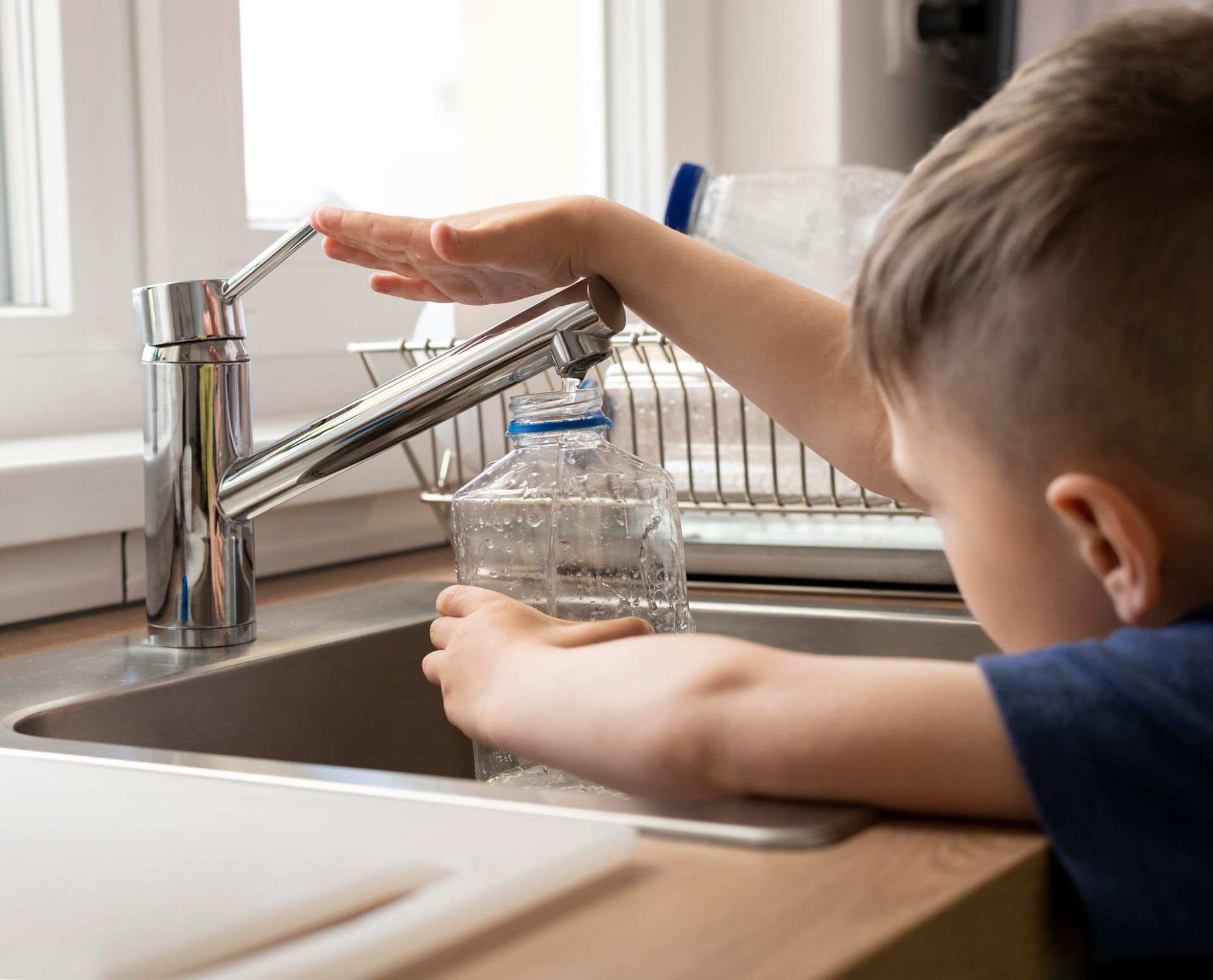
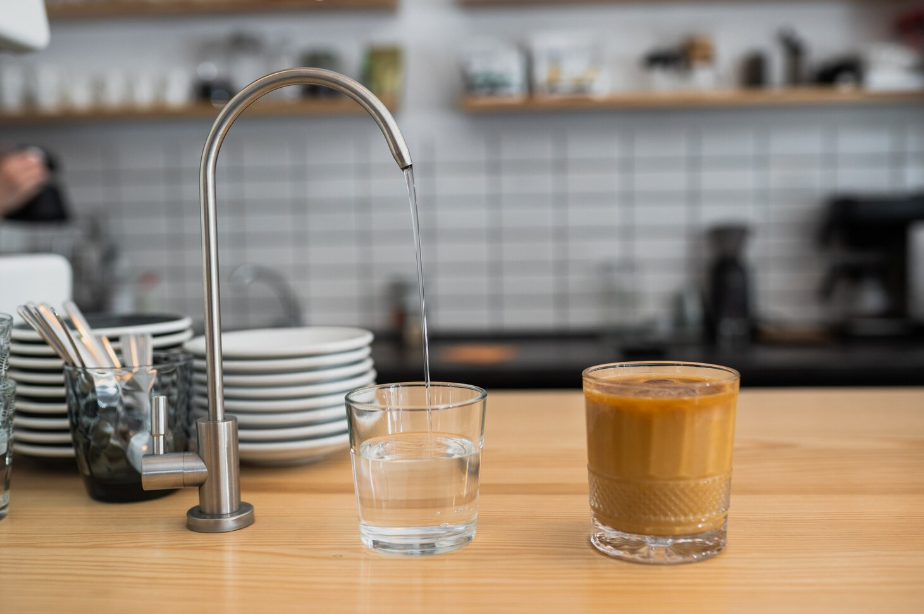
Tap water gives you instant access at home without planning ahead or running to the store. Install a quality filter, and you've got clean water on demand.
Bottled water shines for portability. Heading out for a hike or road trip? Pre-filled bottles are hard to beat.
Many people find a hybrid approach works best: filtered water at home, with reusable bottles filled from the tap for on-the-go hydration.
Health: What the Science Shows
Tap water can contain lead, chlorine, and other pollutants that aren't great for regular consumption. Quality filtration systems remove these contaminants effectively.
Bottled water seems healthier on the surface, but recent studies have found microplastics in many brands. The health implications of consuming these tiny plastic particles are still being researched, but early findings raise questions.
Your local water quality reports (available online) can help you understand what's actually in your tap water and whether filtration makes sense for your health goals.
Sustainability: Thinking Long-Term
The sustainability picture strongly favors filtered tap water:
Home filtration systems use minimal energy compared to bottled water production and shipping. The carbon footprint difference is significant. Bottled water generates roughly 1,400 times more emissions than tap water.
Single-use plastic bottles contribute to waste streams that take centuries to decompose. Switching to filtered tap water with reusable containers dramatically reduces your environmental footprint.
For most people in areas with decent municipal water supplies, filtering tap water offers better economics, environmental impact, and long-term sustainability than bottled alternatives.
Contact Us
If you’re looking to improve your home’s water quality with professional filtration systems and free water testing, Fresno Water Filtration (Generation H2O) is ready to help residents in Fresno, Clovis, and Madera, CA.
Phone: (559) 840-0883 Call today for a free quote or water test.
Service Area: Serving homeowners throughout Fresno and surrounding Central California communities.
Business Hours:
- 9:00 AM–5:00 PM (Monday – Friday)
Ready to upgrade your water quality?
Contact Fresno Water; call or visit their site to schedule a free consultation or estimate.
Related Topics: