A Complete Guide to Where to Recycle Water Filter Cartridges
Recycling water filter cartridges is something many homeowners consider after replacing a filter. The old one sits there for a moment, and you wonder where it should go. People who work with Fresno's trusted water filtration company often hear this question during routine filter replacements, so it comes up more than you might expect. There are several ways to handle it responsibly.
Options range from local drop-off locations to store programs and manufacturer return systems. Some people even use mail-in recycling services or community collection events. Each option plays a small role in reducing waste and reusing materials that would otherwise end up in landfills. It might feel like a small effort, but small efforts add up.
Local Drop-off Locations
Local drop-off sites are usually the simplest place to start. Many waste management facilities accept certain filtration cartridges, though the rules can vary depending on the materials used inside the filter. It helps to check the manufacturer's website or call the local waste office to confirm.
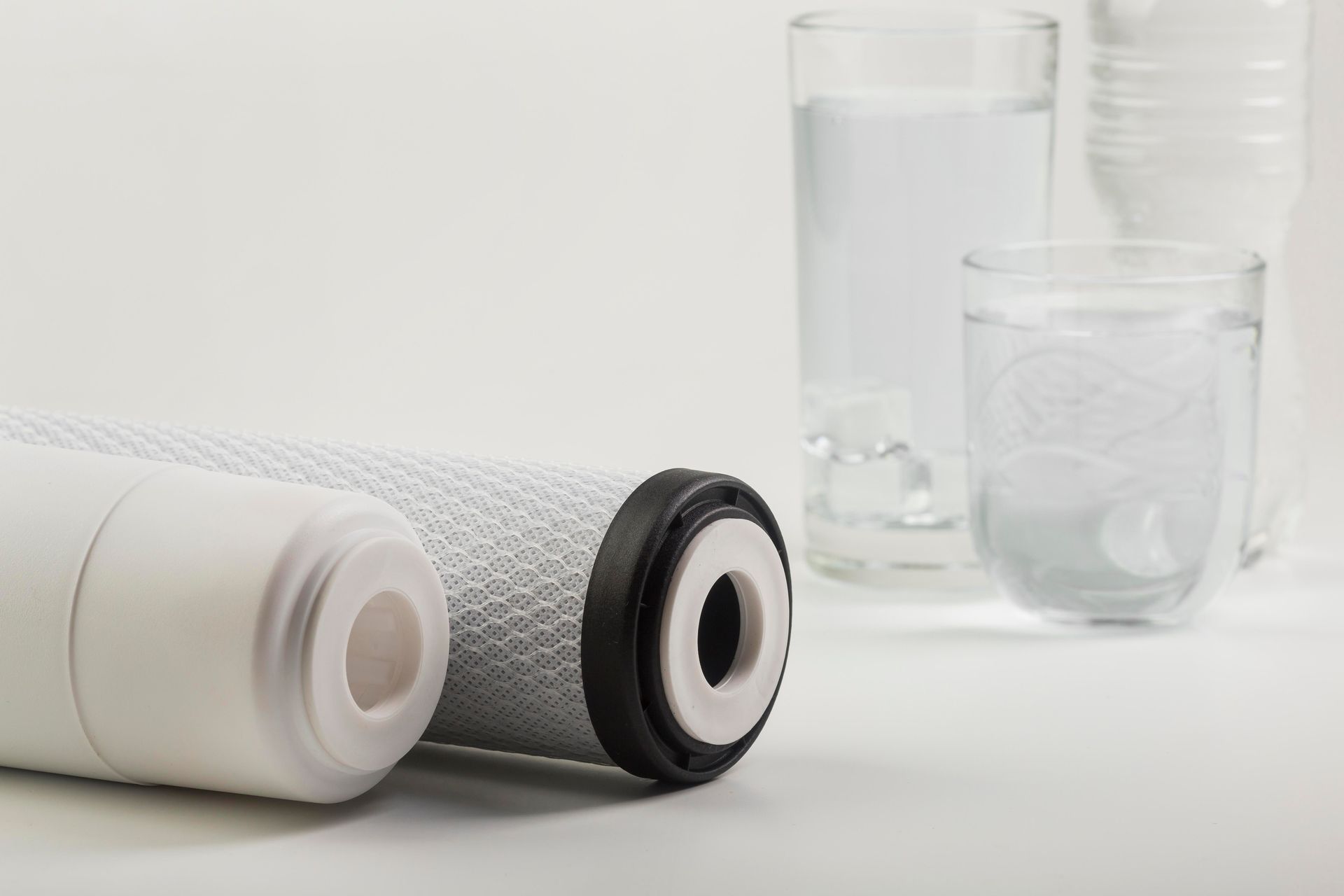
These facilities are set up to handle items that need more care during disposal. The cartridges are sorted and processed so reusable parts like plastic housings or internal components can be recovered. Sometimes they ask residents to rinse the cartridge before bringing it in. That quick rinse actually helps the recycling process run more smoothly.
Retailer Recycling Programs
Some retail stores run recycling programs for used water filter cartridges. Customers return the cartridge to a collection point inside the store. After that, the store sends the filters to a recycling partner that handles the materials.
These programs are easy to use, which is probably why many people prefer them. A few stores even offer small rewards or discounts for bringing cartridges back. It is a simple exchange, really. Customers drop off the old filter and walk away knowing it will be processed properly.Recycling water filter cartridges is something many homeowners consider after replacing a filter. The old one sits there for a moment, and you wonder where it should go. People who work with
Fresno's trusted water filtration company often hear this question during routine filter replacements, so it comes up more than you might expect. There are several ways to handle it responsibly.
Options range from local drop-off locations to store programs and manufacturer return systems. Some people even use mail-in recycling services or community collection events. Each option plays a small role in reducing waste and reusing materials that would otherwise end up in landfills. It might feel like a small effort, but small efforts add up.
Local Drop-off Locations
Local drop-off sites are usually the simplest place to start. Many waste management facilities accept certain filtration cartridges, though the rules can vary depending on the materials used inside the filter. It helps to check the manufacturer's website or call the local waste office to confirm.
These facilities are set up to handle items that need more care during disposal. The cartridges are sorted and processed so reusable parts like plastic housings or internal components can be recovered. Sometimes they ask residents to rinse the cartridge before bringing it in. That quick rinse actually helps the recycling process run more smoothly.
Retailer Recycling Programs
Some retail stores run recycling programs for used water filter cartridges. Customers return the cartridge to a collection point inside the store. After that, the store sends the filters to a recycling partner that handles the materials.
These programs are easy to use, which is probably why many people prefer them. A few stores even offer small rewards or discounts for bringing cartridges back. It is a simple exchange, really. Customers drop off the old filter and walk away knowing it will be processed properly.
Manufacturer Take-Back Programs
Many filter manufacturers run take-back programs for their products. The idea is simple. Once the cartridge is used up, customers send it back so the company can process the materials correctly.
Inside the facility, the cartridges are taken apart and sorted into different material types. Plastics, metal pieces, and filtration media are separated and directed to the proper recycling channels. It takes a little more effort from the homeowner, sure, but the materials have a better chance of being reused.
Online Recycling Options
Online recycling services offer another path for handling used cartridges. These services usually provide a mailing label so the cartridge can be shipped directly to a recycling center. It sounds simple because it is.
Some websites also help users locate nearby recycling partners. Others focus on shipping programs that collect filtration products and process them in larger batches. A few companies even use recyclable packaging for shipping kits, which keeps the process a bit cleaner from start to finish.
Community Recycling Events
Community recycling events pop up throughout the year in many cities. Local governments or environmental groups organize these collection days to handle items that require special disposal. Water filter cartridges sometimes fall into that category.
Residents bring their used cartridges to the event site, where volunteers or staff collect and sort them. From there, the items are sent to recycling partners who handle the materials properly. These events also help spread awareness about responsible disposal practices, which is a good reminder for everyone.
DIY Water Filter Cartridge Recycling
Some homeowners try recycling filter cartridges on their own. The process usually starts with rinsing the cartridge to remove any leftover particles from the filtration media. It only takes a minute, though people sometimes skip that step.
After cleaning, the cartridge can be opened carefully so that different parts can be separated. Plastic housings may go to recycling centers that accept that material, while other parts might need specialized handling. It takes a bit of patience, but doing it at home can still keep several pieces out of the trash.
Related Topics: