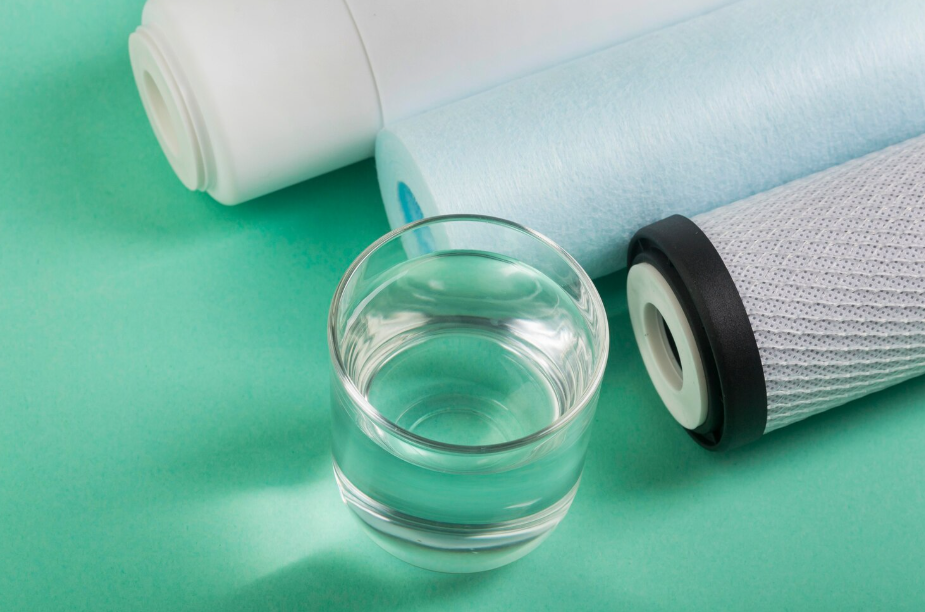
Why You Need a Whole House Water Filter
Many homeowners do not really think about their water until something feels off. The taste may seem strange, or the shower leaves skin feeling dry. During conversations with plumbers and even water filter specialists, people often realize the issue may not be one faucet but the entire supply entering the house. That is where whole-house filtration comes into the picture.
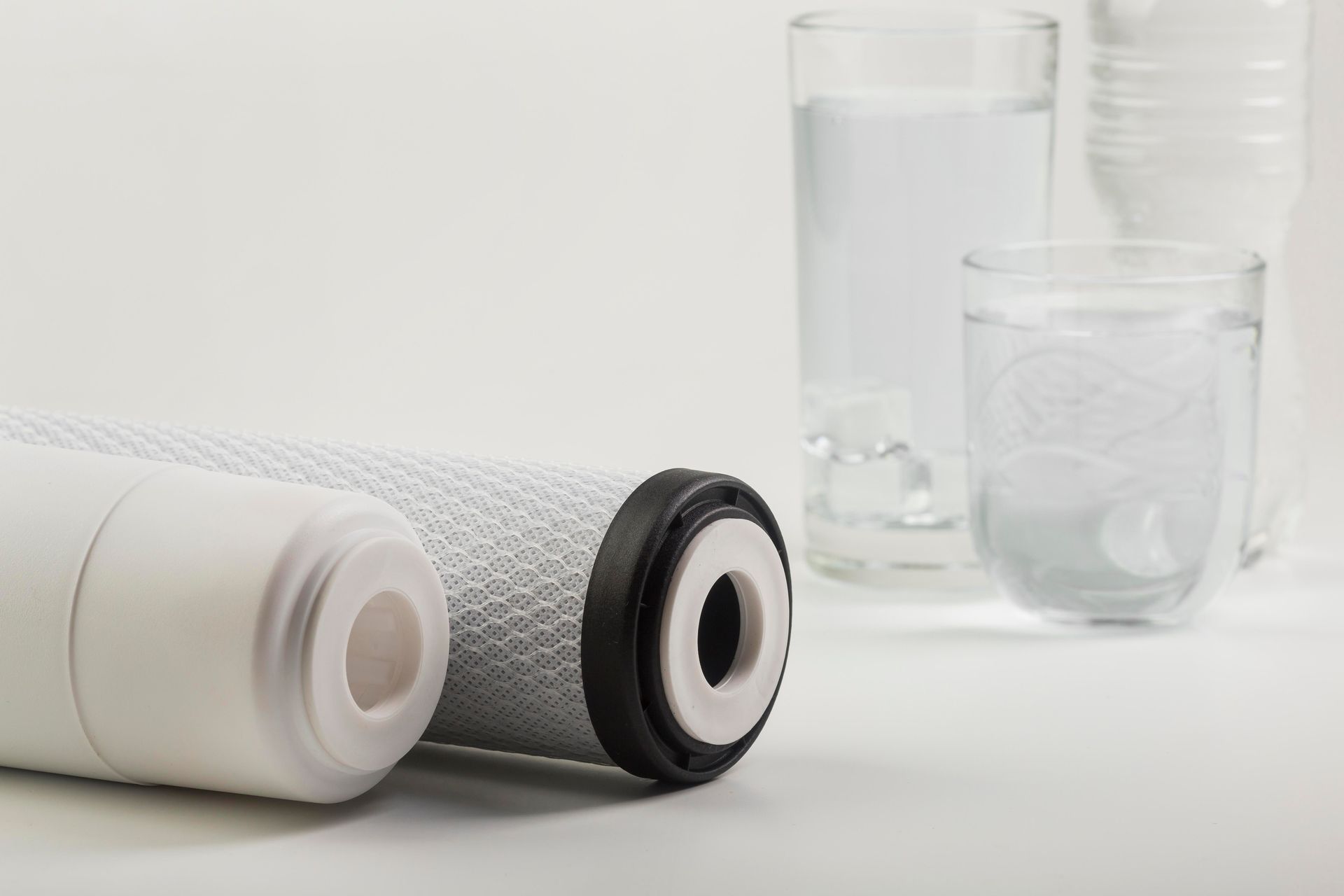
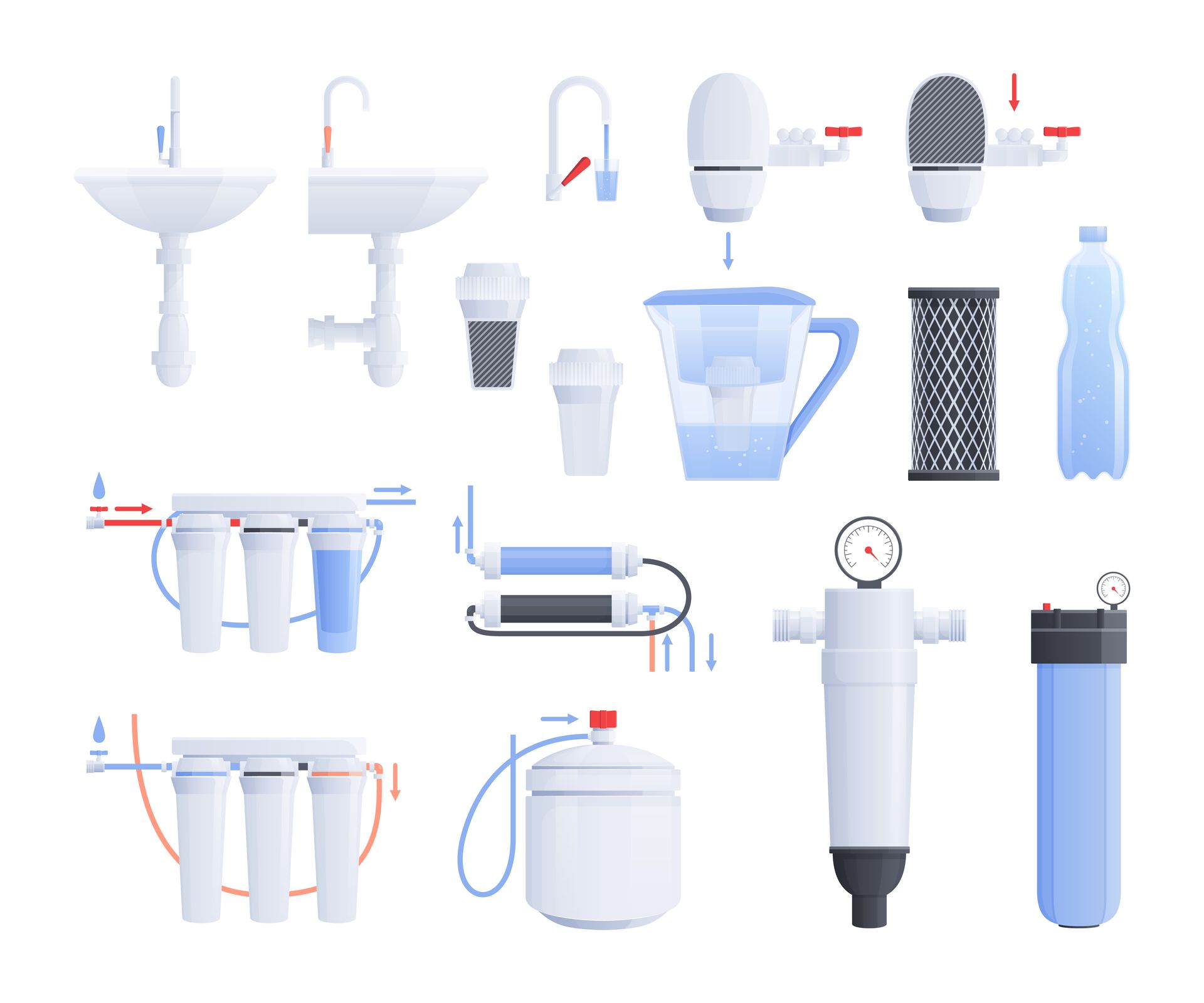
A whole-house system filters water as soon as it enters your plumbing. That means every tap, shower, and appliance receives treated water instead of the raw supply. The setup sounds simple, but it quietly removes contaminants such as chlorine, sediment, and other unwanted substances. Over time, that small change can affect comfort, safety, and daily routines at home.
Health Benefits of Whole House Water Filters
Clean water affects more than drinking. It touches cooking, bathing, laundry, and even the water used to brush your teeth. Whole-house filtration systems remove chlorine, sediment, heavy metals, pesticides, and certain organic compounds before they enter your plumbing.
Lower exposure to those substances can help reduce irritation on the skin and eyes. Some households notice fewer dry skin problems or a less strong chlorine smell in showers. Drinking water often tastes cleaner, too, which oddly makes people drink more of it without thinking twice.
Cost-Effectiveness of Whole House Filters
Installing a whole-house filtration system is a large expense. The system itself costs more than a simple under-sink filter, so the hesitation is understandable. Still, the math often looks different over time.
A single system treats water for the entire home rather than installing filters at every faucet. Fewer cartridges usually need replacing, which keeps maintenance fairly manageable. Appliances such as water heaters and washing machines may also last longer because sediment and minerals are removed before they reach them.
Environmental Impact of Water Filtration
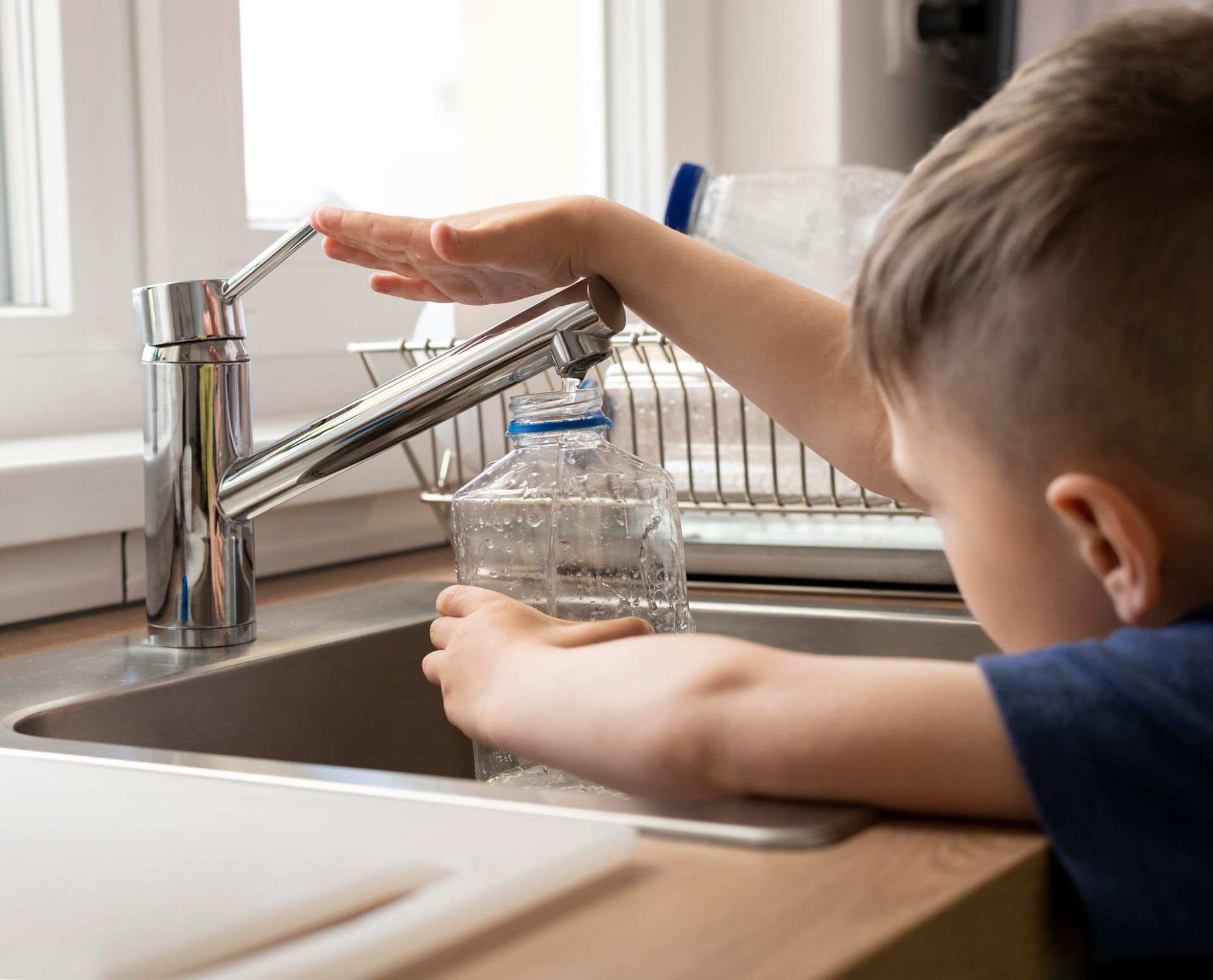
Plastic bottle waste is something many households think about lately. Buying bottled water week after week adds up quickly. A home filtration system often reduces the need for those bottles.
Less plastic waste means fewer bottles entering landfills and less energy used for manufacturing and shipping them. Some filtration systems even use long-lasting filter media that does not require frequent replacement. Small changes like that help limit environmental strain little by little.
Convenience and Maintenance of Whole House Filters
Whole-house filters work quietly in the background. Once installed, most people barely think about them except during routine maintenance. And honestly, that maintenance is usually straightforward.
Filter cartridges are replaced on a schedule based on water usage and system design. Some systems include monitoring tools that show when the filter is nearing the end of its lifespan. Staying on top of that schedule keeps the system running smoothly and prevents surprises with water quality.
Improved Water Taste and Quality
Taste might be the first thing people notice after installing filtration. Tap water sometimes carries chlorine or metallic notes that affect flavor. Removing those substances can make water taste a lot cleaner.
Cooking can benefit too. Coffee, tea, soups, and even pasta taste better with filtered water. The difference is subtle at times, but many homeowners notice it after a few days of using the system.
Protection Against Harmful Contaminants
Water moving through municipal systems or private wells may carry particles and chemicals picked up along the way. Sediment, like sand or rust, can enter pipes, while chemical disinfectants remain present after treatment. Whole-house filters act as a barrier before those materials spread through the home.
The filtration process can reduce bacteria, certain organic compounds, and heavy particles that affect water quality. Cleaner water flows through every faucet, showerhead, and appliance connection. It is a quiet form of protection, but one that touches almost every moment water is used inside the house.
Related Topics: