Reasons Why Your Water Filter Is Slow
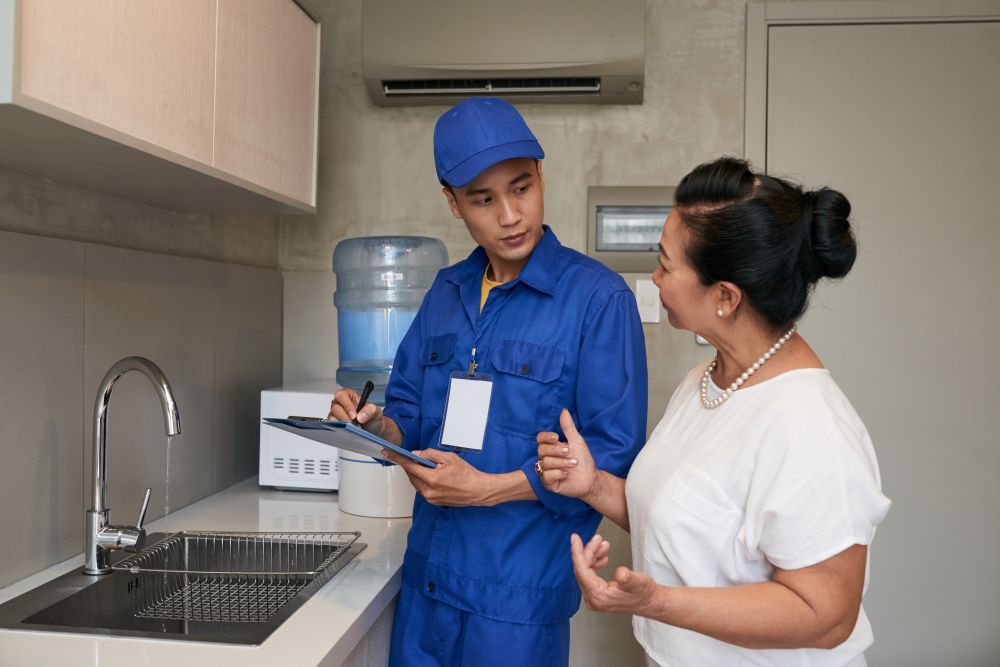
If your water filter seems to trickle instead of flow, it could be a few things at play. Maybe the filter is clogged, the water pressure is low, or the cartridge is past its prime. Sometimes, it’s just installed a bit off, or sediment has settled inside. I’ve noticed that talking to professional water filter installation teams really helps, because they spot the subtle things most homeowners miss. A slow filter can feel frustrating, but the fix is usually manageable with a bit of attention.
Water flow issues can also occur if the water line feeding the filter is defective. Kinks, leaks, or blockages can all slow things down. So while you’re thinking about the filter itself, it’s worth checking the rest of the setup. A few small tweaks can make a surprisingly big difference.
Clogged Filter
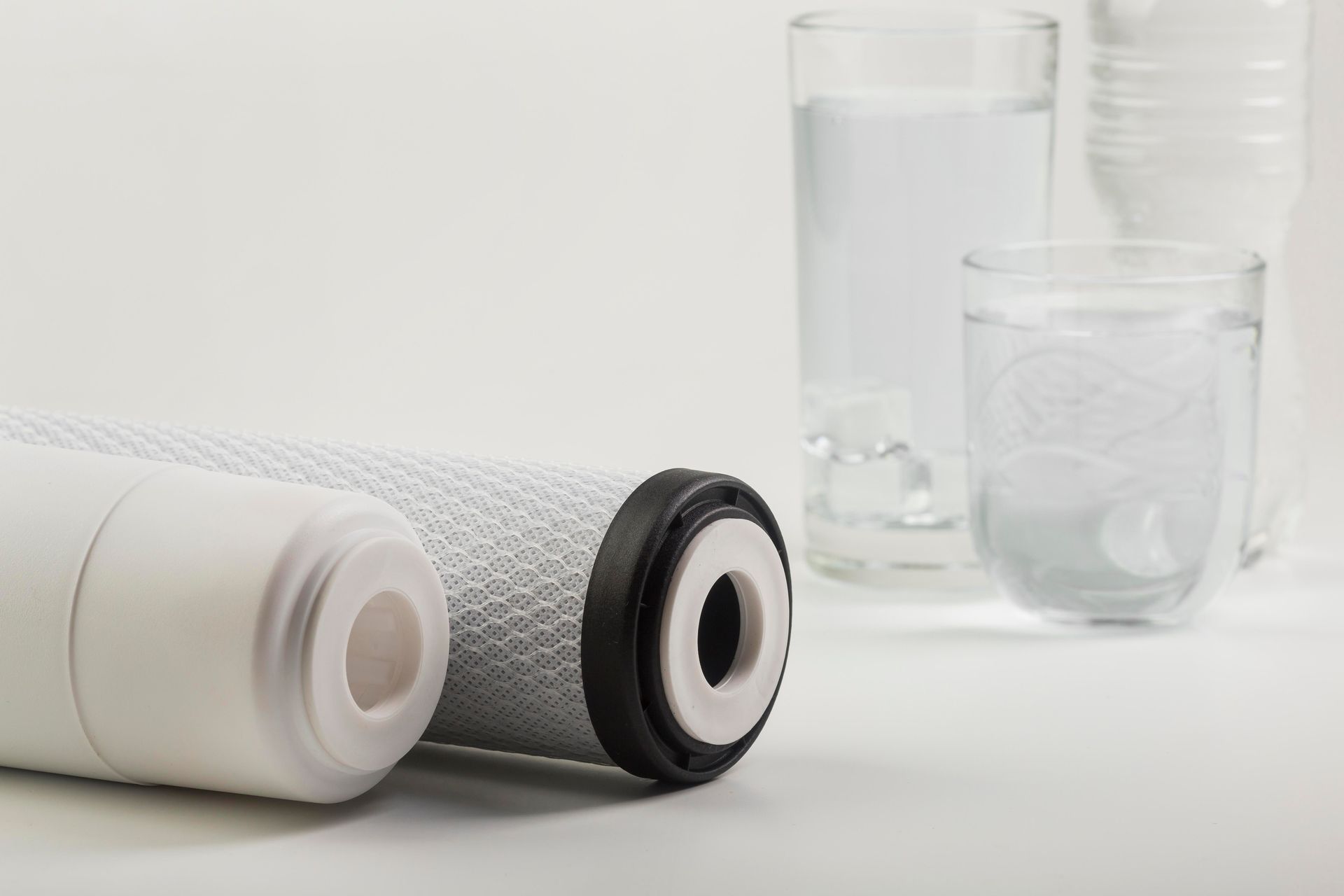
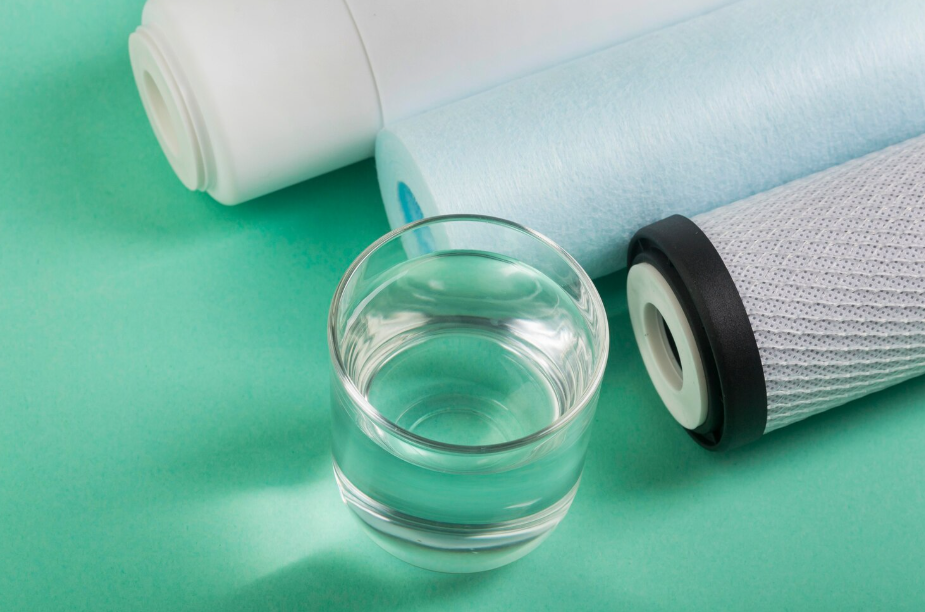
A clogged filter is usually the culprit when water slows down. Sediment, debris, and mineral deposits can accumulate in the cartridge over time. When that happens, water struggles to push through, and contaminants might slip past more easily than you’d like.
Fixing it is pretty straightforward. Turn off the water, release the pressure, and take out the cartridge. If it looks gummed up, give it a rinse or swap it for a new one. Doing this regularly keeps water flowing smoothly and the system doing its job without hiccups.
Low Water Pressure
Low water pressure can make a filter feel useless, even if the cartridge is fine. The culprit might be the water supply itself, a kinked line, or a partially closed valve somewhere along the way.
Start simple. Check the lines for leaks or twists, and make sure valves are fully open. Sediment inside the filter can also sneak in as a problem, so give that a look too. With a little inspection, the flow usually comes back to normal.
Old Filter Cartridge
Old cartridges naturally slow things down. As they trap more contaminants, water has a harder time moving through. Most cartridges last between six months and a year, but it depends on use and water quality.
Signs that it’s time for a replacement include slower flow, off tastes, or cloudy water. Swapping out an aging cartridge is an easy way to keep the filter efficient and the water clean. You don’t need to overthink it; keep an eye on how it performs over time.
Incorrect Installation
Sometimes the filter isn’t the problem at all. If it wasn’t installed properly, water flow suffers. Tubing that’s twisted, loose connections, or misaligned parts can all slow water down without you realizing it.
Check the setup against the manufacturer’s instructions. Make sure fittings are snug, tubing isn’t kinked, and everything is oriented correctly. Getting this right often fixes the slowdown without buying a new filter. It’s a little tweak that pays off.
Sediment Build-Up
Sediment slowly piling up in the filter is another common reason for slow flow. Sand, silt, and debris block the pores and force water through more slowly. Cleaning the filter on a schedule helps a lot.
Rinse the sediment filter under clean water, then put it back. Adding a pre-filter to catch larger particles can also save the main filter from clogging too quickly. Staying on top of it keeps the system flowing well for months at a time.
Faulty Water Line
Even if the filter is perfect, a faulty water line can ruin everything. Leaks, cracks, or blockages reduce water pressure and make the system sluggish. Inspect the line for damage or kinks, and replace anything that looks worn.
Tighten all fittings and make sure water runs freely. Checking lines isn’t glamorous, but it prevents bigger problems later. Keeping the water line in good shape ensures the filter works efficiently and protects your water quality.
Related Topics: