Fresno's Water Quality: What You Need to Know About Local Contaminants
Fresno's tap water meets EPA standards. That is the official answer, and it is accurate. What it does not tell you is what remains in the water after treatment or what happens to that water as it travels from the plant through miles of distribution pipe to your faucet.
The Central Valley has a specific water chemistry. Understanding it is the starting point for knowing whether any additional treatment makes sense for your home. Using a quality water filter can help ensure your drinking water is safe and clean.
Where Fresno's Water Comes From
Fresno's drinking water has two main sources: surface water from Sierra Nevada snowmelt and groundwater from the San Joaquin Valley aquifer. Fresno Municipal Utilities manages treatment for both before distribution.
Surface water from the Sierra Nevada is generally lower in minerals at the source. Groundwater from the San Joaquin Valley aquifer carries higher concentrations of calcium and magnesium and, in parts of the region, elevated nitrates from agricultural use over decades. Most Fresno residents receive a blend of both sources depending on the season and the city's supply demands.
Chloramine: What Fresno Adds to Your Water and Why It Matters
Fresno adds chloramine, a compound made from chlorine and ammonia, to the water supply as its primary disinfectant. This is standard practice for many California cities, and chloramine is effective at preventing bacterial regrowth as water moves through the distribution system.
The day-to-day issue is a pool-like smell and chemical aftertaste at the tap, most noticeable in hot water. The CDC has also noted that disinfection byproducts from chloramine treatment, including trihalomethanes and haloacetic acids, are associated with potential health concerns with prolonged exposure.
Removing chloramine requires catalytic carbon. Standard activated carbon reduces chlorine effectively but cannot fully break down chloramine.
Hard Water: The Most Widespread Issue in Fresno Homes
Hard water contains elevated concentrations of dissolved calcium and magnesium. In Fresno, this comes from the San Joaquin Valley aquifer, where groundwater filters through mineral-rich rock before reaching the distribution system. Municipal treatment does not remove these minerals because, at typical levels, they are not a regulated health concern under EPA standards.
The damage they cause is visible. White or yellow scale builds up on faucets, showerheads, and around drains. Dishes come out of the dishwasher with spots. Skin feels dry, and hair becomes coarse after showering.
Water heaters lose efficiency as scale accumulates on heating elements. Over time, the cost of appliance repairs and replacements adds up.
Agricultural Contaminants: A Regional Groundwater Concern
The Central Valley's agricultural output comes with a groundwater tradeoff. Decades of fertilizer use have left elevated nitrate levels in parts of the San Joaquin Valley aquifer. The EPA's drinking water regulations set a maximum contaminant level for nitrates at 10 mg/L, with particular concern for infants.
Fresno's municipal supply is tested and regulated against these limits. Private well users in surrounding areas face higher exposure than those on the municipal system. Trace pesticide residues are also a documented presence in Central Valley groundwater, with concentrations that vary by area and season.
Lead and Heavy Metals: A House-by-House Risk
Lead contamination in tap water typically does not originate from Fresno's treatment process or main distribution lines. It comes from older residential plumbing. Homes built before 1986 may have lead solder in pipe connections or lead-containing fixtures, and water sitting in those pipes can leach lead before reaching the tap.
Mercury and other heavy metals appear at trace levels in some properties, depending on plumbing age and local conditions. This is a property-specific risk rather than a city-wide one. A city water report will not identify it. A property-level water test will.
Iron and Sediment
Iron is common in Central Valley groundwater and shows up in Fresno homes as rust staining in sinks, tubs, and toilet bowls, or as a metallic taste in the water. It can also clog appliances and reduce the efficiency of water heaters and washing machines over time.
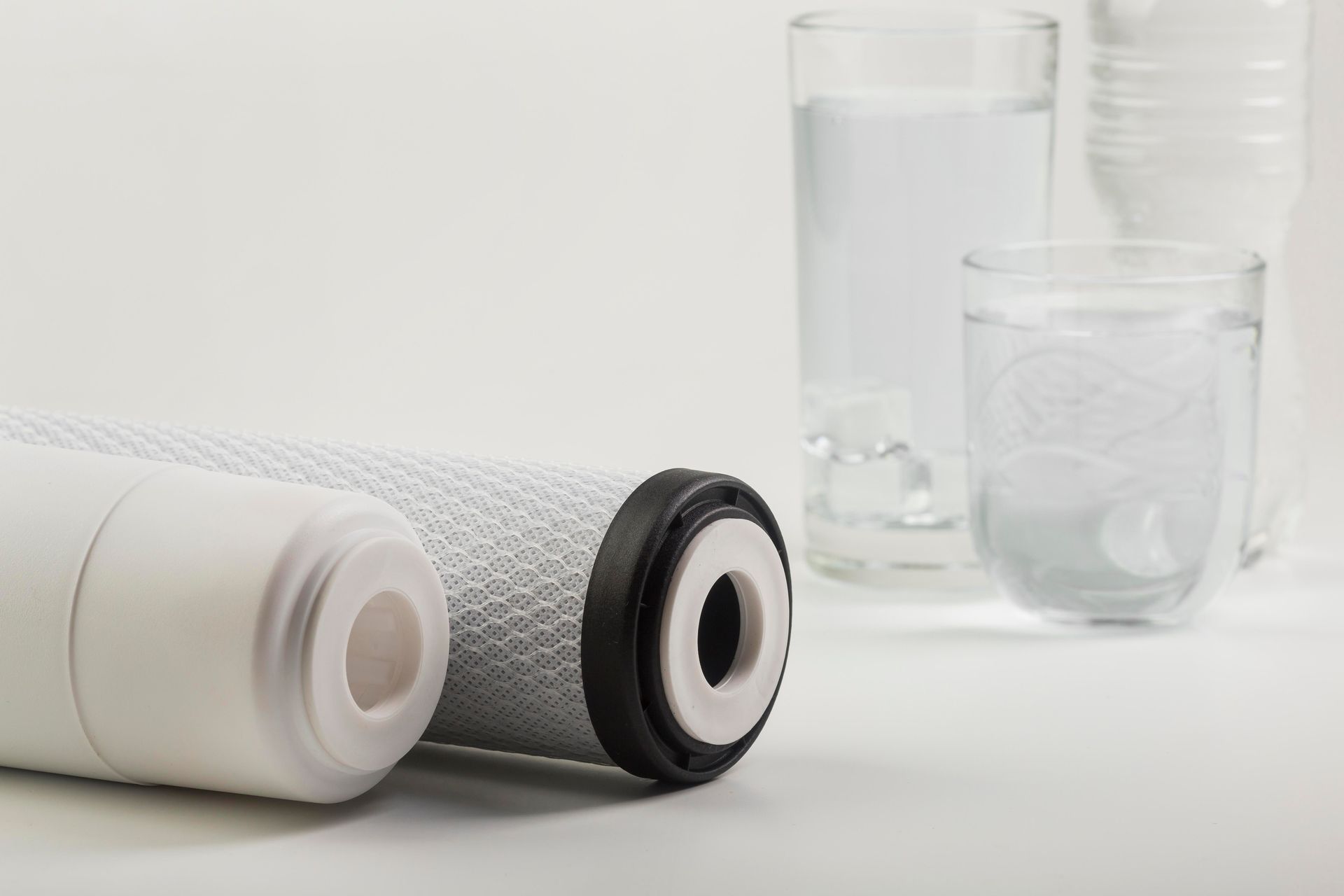
Sediment, which includes sand, silt, and fine particles from the distribution system or local soil, affects water clarity and can damage appliances without intake filters. Stage 1 of any multi-stage filtration system handles sediment before water reaches the remaining filter stages.
What Fresno's Annual Report Shows vs. What It Doesn't
Fresno Municipal Utilities publishes an annual Consumer Confidence Report that covers tested contaminant levels across the municipal supply. It compares those levels to EPA maximum contaminant limits and is publicly available through the city's utilities website. For most regulated contaminants, Fresno's water comes in well under the limits.
What the report does not capture is what happens to your water after it leaves the treatment plant. Pipe age, distance from the distribution main, and your home's internal plumbing all affect what comes out of your tap. Our team offers a free water test at your property, with results specific to your home and no purchase obligation.
Matching Contaminants to the Right Solution
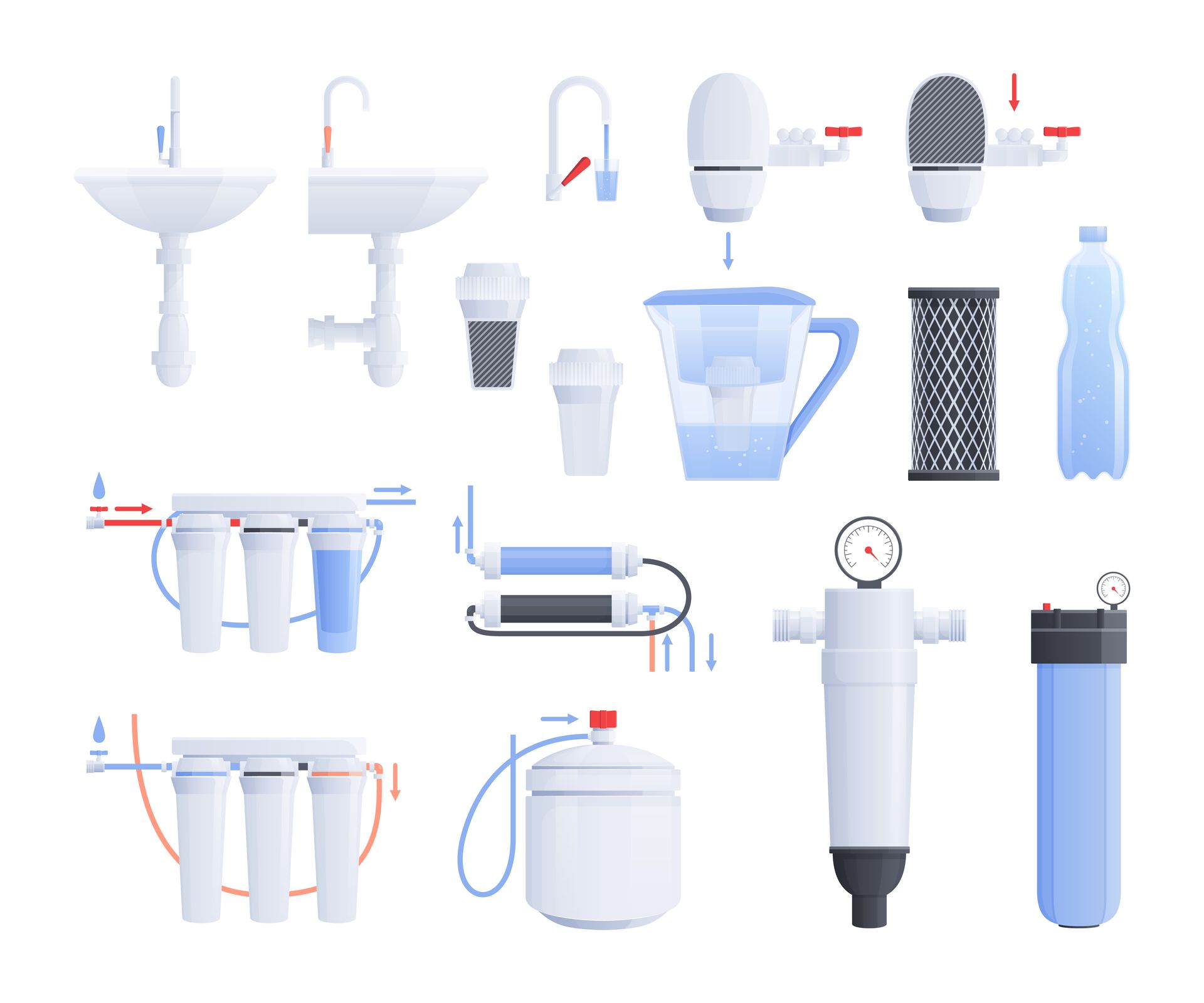
Different contaminants require different filter media. Catalytic carbon is required for chloramine. Ion exchange or a multi-stage system with a softening stage addresses hard minerals. Heavy metals require dedicated media stages.
A system that handles one problem well may leave others untouched. Our systems range from the Galaxis at 5 stages to the Equinox and Polaris at 10 stages to the Stratosphere at 11 stages, which uses catalytic carbon as its dedicated chloramine-removal stage. Each system is recommended based on what a water test in Fresno finds, not a standard configuration. Call us at (559) 840-0883 to schedule your free test.
Related Topics: